It’s that time of year again, bow season has officially started in Wisconsin. Each year, thousands of hunters take to the woods with bows in hand, seeking not only game but also the tranquility and challenge that bow hunting offers. Whether you’re a seasoned archer or...
Conservation Corner
Conservation Corner is a weekly article produced by the Forest County Land & Water Conservation Department.
For more information contact Kayla Littleton, County Conservationist-Land Information/GIS Director at 715-478-1387 or by e-mail at
Bear Hunting Season
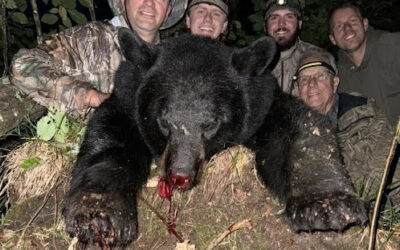
he Wisconsin bear hunting season is officially here! The bear season starts September 9th and will run through October 13th. For hunters in Forest County, this year’s season promises both opportunity and challenge, with regulations, quotas, and conditions shaping the...
Wild Rice Harvesting
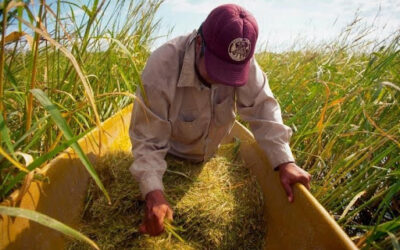
Wild rice, known as manoomin to Ojibwe people, is culturally and ecologically significant plant found in shallow, gently flowing waters of northern Wisconsin’s Great Lakes region. It thrives in mucky or organic lake bottoms with water depths between six inches and...
Weevils
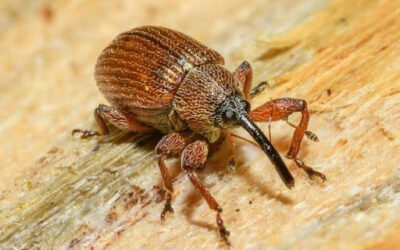
Weevils are small beetles belonging to the family Curculiondae, one of the largest and most diverse groups in the insect world. With found across nearly every continent and more than 60,000 known species, they are habitat. Their distinctive appearance often featuring...
The Wisconsin Lakes & Rivers Partnership
Wisconsin’s waters are among its most defining natural features. With more than 15,000 lakes, 84,000 miles of rivers and streams, and countless wetlands, the state’s identity and economy are deeply intertwined with clean water. Protecting those waters requires...
Purple Loosestrife
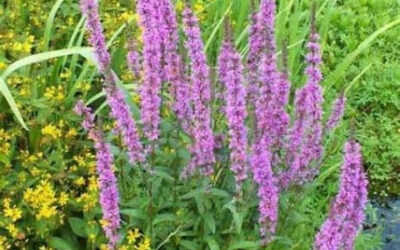
Purple loosestrife (Lythrum salicaria), with its vibrant magenta blooms, is a plant that charms the eye but is really damaging the natural plant community. Originally introduced to North America in the 19th century for ornamental purposes, this invasive species has...
DNR Game Bird Survey
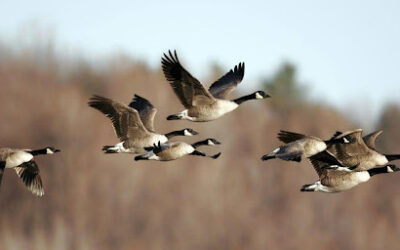
The Wisconsin Department of Natural Resources is once again inviting residents to step into the role of community scientists by participating in its annual game bird survey, which runs from July 1st through August 31st. This long running citizen science initiative is...
Forest County Association of Lakes Fall Forum
The Forest County Association of Lakes (FCAL) will be hosting their fall forum on Friday, August 14th, from 10am-12pm. The forum will be taking place at the Lake Lucerne Advancement Pavilion located at 4031 County Rd. W, Crandon. All are welcome to come join for a day...
Wildfires
Wildfires are a natural but increasingly dangerous phenomenon, shaped by both ecological processes and human activity. They occur when uncontrolled fires ignite in wildland areas such as forests, grasslands, and shrublands, often due to lightning strikes, human...
Algae blooms
Algal blooms are rapid, often visible growths of algae in aquatic environments such as lakes, rivers, and oceans. There are two types of algae blooms that can occur. The first is harmful algal blooms (HABs) which are caused by toxin producing species like...
Black Locust
The black locust, also known as false acacia, is a fast-growing tree native to the Appalachian and Ozark regions of the United States. In Wisconsin, however, it Is considered an invasive species that threatens native ecosystems. While valued historically for its...
Wild Lupine
Long before roads and farms reshaped northern Wisconsin, wild lupine was spread vastly around the county in shades of blue and purple. Today, conservationists see it as a symbol of the region’s natural heritage, and a plant worth protecting. Wild lupine is a perennial...