
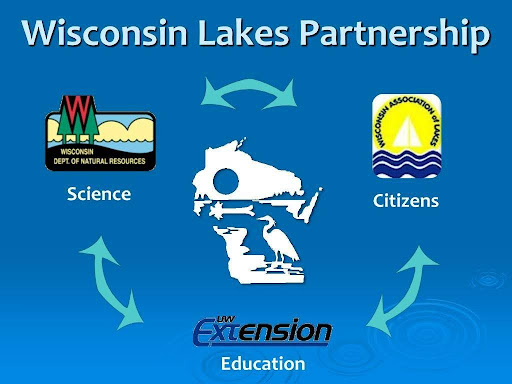
Wisconsin’s waters are among its most defining natural features. With more than 15,000 lakes, 84,000 miles of rivers and streams, and countless wetlands, the state’s identity and economy are deeply intertwined with clean water. Protecting those waters requires teamwork, and that is exactly what the Wisconsin Lakes and Rivers Partnership is built to support. This partnership is a collaborative network that brings together state agencies, local governments, lake districts, nonprofit organizations, scientists, educators, volunteers, and residents. Its purpose is straightforward but ambitious to help people work together to care for Wisconsin’s lakes, rivers, and watersheds in ways that are science based, community driven, and sustainable. The partnership focuses on practical, hands-on support. Key areas include water quality monitoring, including training volunteers to measure clarity, nutrients, invasive species presence, and shoreline conditions. They also help with grant funding for management plans, water quality improvement projects, aquatic plant studies, and habitat restoration. Another area they focus on is educational programs and workshops that help communities navigate permitting, conservation planning, and best practices for shoreline protection. Last is collaboration on issues like species control, stormwater impacts, watershed planning, and lake or river restoration. Many communities rely on the partnership when developing lake or river management plans, because it connects them with both scientific knowledge and experienced mentors. Healthy lakes and rivers are essential to Wisconsin’s wildlife, tourism economy, recreation, drinking water, and local quality of life. Yet many waters face challenges such as nutrient pollution, shoreline development pressures, invasive species, and climate driven change in rainfall and water temperature. The Wisconsin lakes and river partnership helps communities respond to those changes in informed, coordinated ways. It ensures that conservation isn’t isolated or reactive, but strategic and guided by shared goals. Most importantly, it empowers everyday people to take part in caring for the waters they love. From a volunteer measuring lake clarity to town board updating shoreline ordinances, the partnership supports local action at every scale. As environmental changes accelerate, partnerships like this one become more important. Wisconsin’s approach emphasizes collaboration, long term planning, and citizen involvement, offering a model that other states often look to. The Wisconsin lakes and rivers partnership continues to evolve, integrating new research, expanding programs, and strengthening local networks. But its core mission stays the same: Helping Wisconsinites protect the lakes and rivers that define the landscape, communities, and way of life.
Conservation Corner is a weekly article produced by the Forest County Land Conservation and Land Information Department. For more information contact Lucas O’Brien, Forest County Land Conservation Technician at 715-478-1387 or by e-mail at