by Greg Schmitz | Oct 25, 2025 | Events
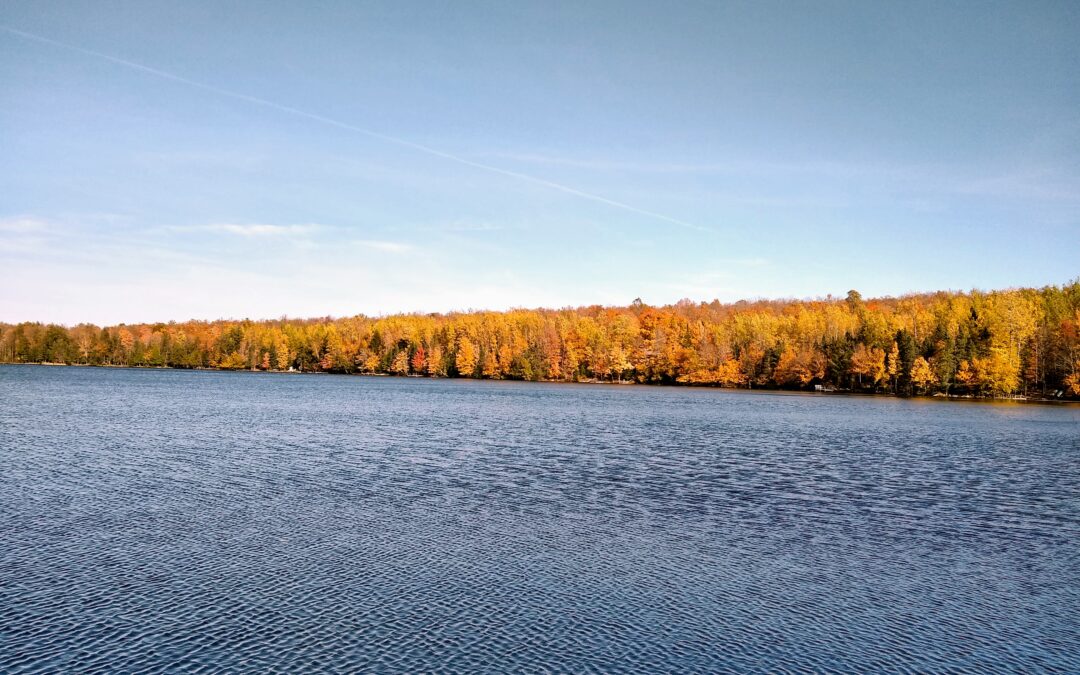
Friday, August 15, 2025 FCAL Fall Forum 4301 County W, Lake Lucerne Advancement Association Pavilion. 8:30 to 9:30 Arrive/Set Up Board Meeting 9:30 to 11:30 Forum 11:30 to 12:00 Clean Up Presenter will be the following: Heather Stricker-Orlovsky M.S. Conservation...
by Greg Schmitz | Jun 21, 2025 | News
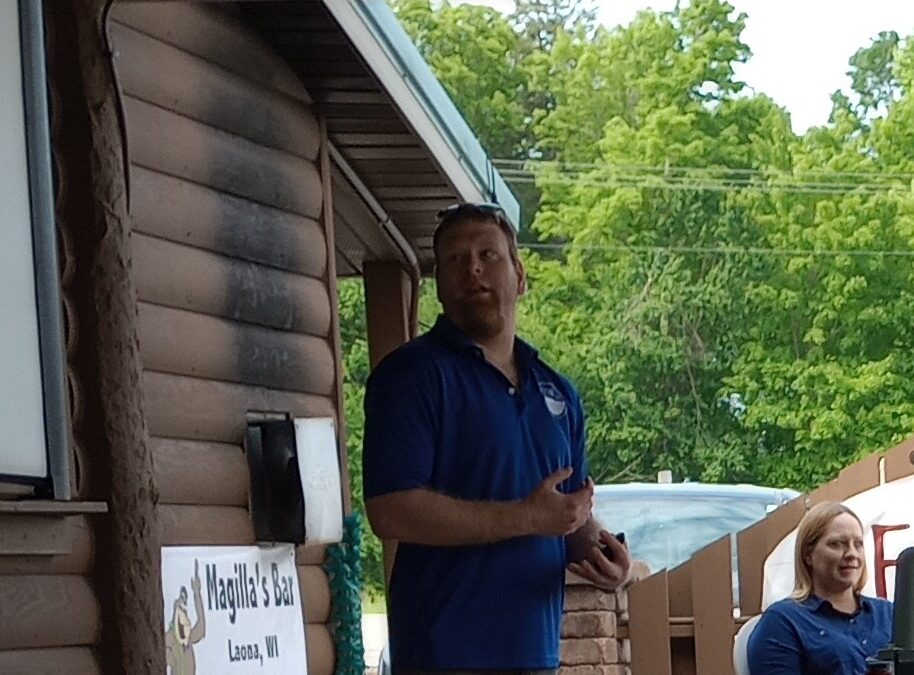
Hello All, Here are the three presentations from the FLOW AIS annual meeting from the 12th at the Northwoods Inn In pickerel. Two are attached as a PDF, one is in link form below. I truly appreciate all of you for coming to the event. I hope you enjoyed the day and...
by Brandon Quig | Feb 15, 2023 | Aquatic Invasive Species News, Events, Invasive Species
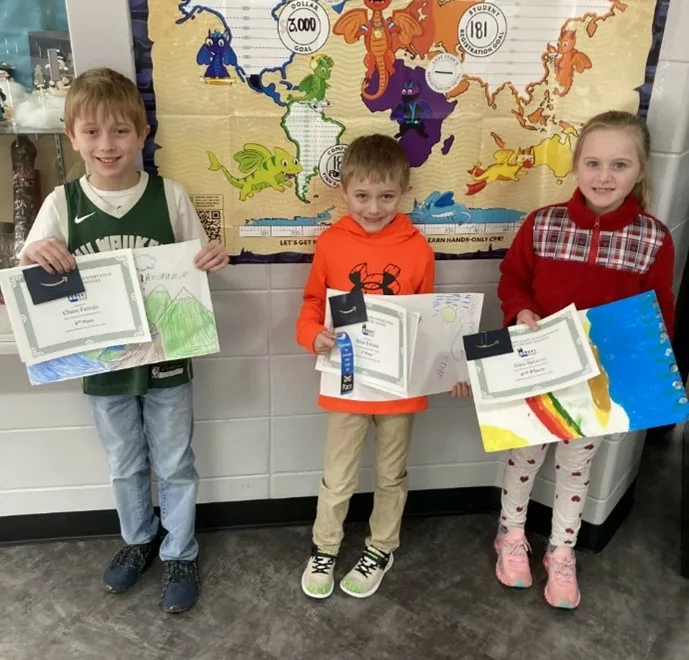
2023 FLOW AIS Poster Contest The FLOW AIS Program (Forest, Langlade, Marinette, & Oconto Waterways Aquatic Invasice Species Program) is seeking entries into their 2023 Invasive Species Poster Contest! Contest is open to students in grades 4-8 attending any school...
by Greg Schmitz | Oct 21, 2026 | News
Forest County Presentation WWC

by Greg Schmitz | Oct 20, 2026 | News
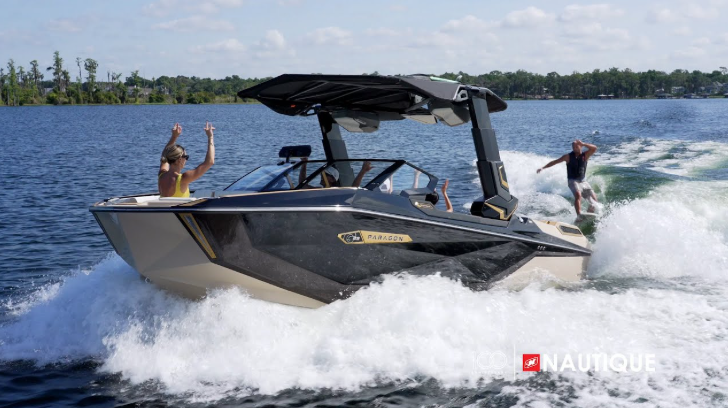
https://fcal-wis.org/wp-content/uploads/2026/10/PROTECTING-LAKES-FROM-THE-IMPACTS-OF-WAKE-SURFING-Oct-10-26-Forest-Co-SHARED-COPY-2.pdf
by Greg Schmitz | Oct 16, 2026 | Conservation Corner, News
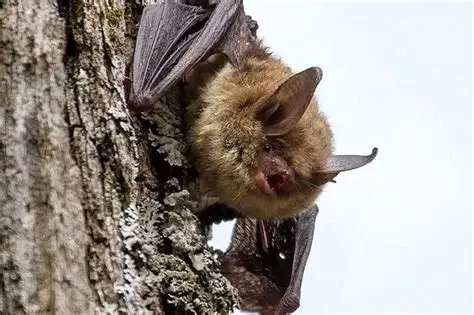
International bat week is observed in Wisconsin as part of the national observance which runs October 24th – 31st each year. The Wisconsin Department of Natural Resources uses this time to raise awareness about the importance of bats, the threats they face, and how...
by Greg Schmitz | Oct 9, 2026 | Conservation Corner, News
Forest products week, established in 1960 by congressional proclamation and signed by President John F. Kennedy, recognizes the importance of forest resources to the nation’s history, economy, and daily life. In Wisconsin, forests cover nearly half the state, and the...
by Greg Schmitz | Oct 2, 2026 | Conservation Corner, News
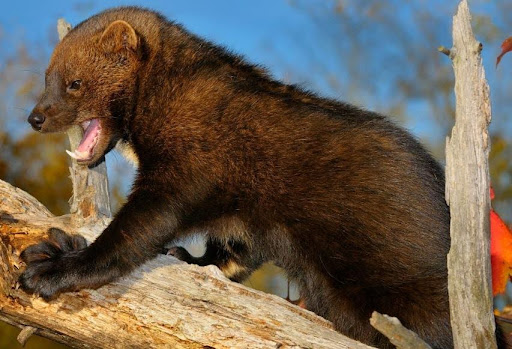
Northern Wisconsin offers a landscape abundant in forests, rivers, and wetlands—ideal habitats for a variety of fur-bearing species, including beavers, minks, muskrat, foxes, and fishers. The state’s trapping history is tied closely to both subsistence and commerce....
by Greg Schmitz | Sep 29, 2026 | News
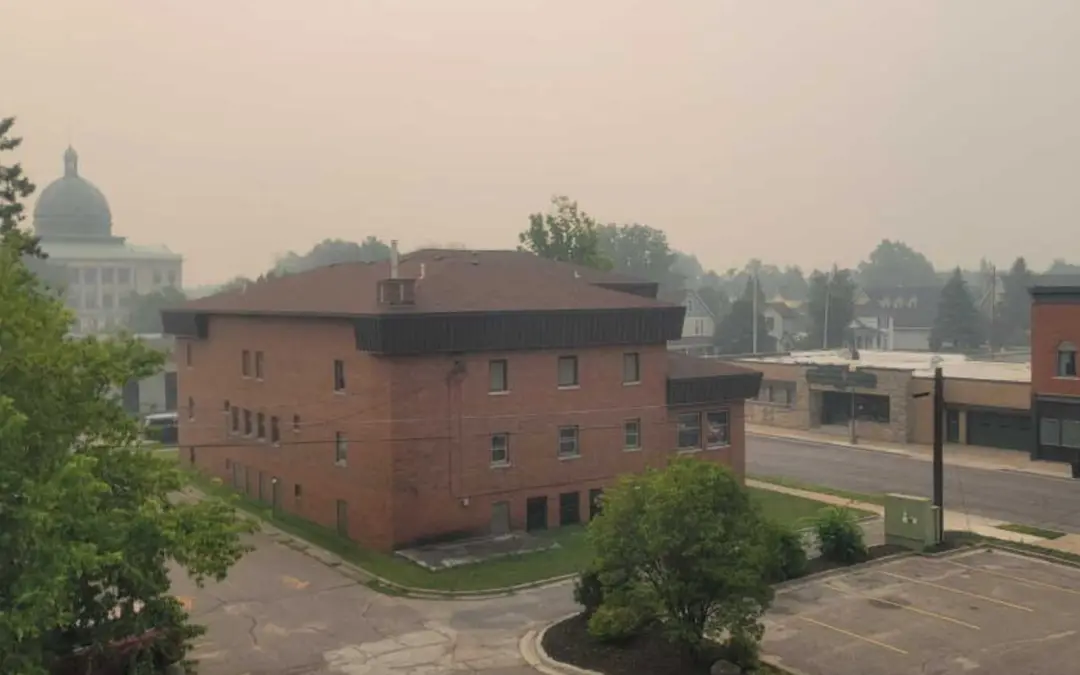
Monitoring will become increasingly important due to air quality events caused by wildfires. Gail Good, Director of the Air Management Program for the Wisconsin DNR, talked with the Natural Resources Board about concerns caused by wildfire smoke. A July event caused...