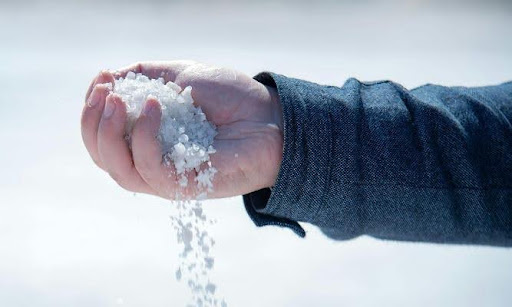
Every winter, Wisconsin’s roads transform into icy ribbons that challenge drivers and road crews alike. The go-to solution for decades has been road salt because its simple, effective, and cheap. But beneath its convenience lies a growing environmental cost. WI Salt Awareness Week, observed annually in late January, is a statewide initiative to educate residents, municipalities, and businesses about the hidden dangers of overusing road salt and to promote smarter, more sustainable winter maintenance practices. This year Wisconsin Salt Week starts January 27th and goes till January 31st. Road salt, primarily sodium chloride, works by lowering the freezing point of water, making it harder for ice to form. While this keeps roads safer, it also comes with unintended consequences. One effect of road salts is water contamination, once snow and ice melt, salt washes into storm drains, rivers, and lakes. In Wisconsin, chloride levels in some freshwater bodies are rising to levels harmful to aquatic life. Another effect is drinking water contamination, chloride can infiltrate groundwater, threatening private wells and municipal water supplies. The third effect of salt is soil and vegetation damage. Salt can alter soil chemistry, harming roadside plants and trees. Last effect that salt can have is infrastructure corrosion. Salt accelerates the rusting of vehicles, bridges, and roadways, leading to costly repairs. According to Wisconsin Salt Wise, just one teaspoon of salt can permanently pollute 5 gallons of water and there’s no practical way to remove it once it’s there. The Wisconsin Department of Natural Resources (DNR) and Wisconsin Salt Wise lead the campaign, offering webinars, demonstrations, and resources to help communities rethink their winter maintenance strategies. The Week’s objectives include educating the public, training professionals, promoting alternatives, and empowering action. Wisconsin is home to over 15,000 lakes and countless streams, wetlands, and aquifers. These waters are not just scenic, they are vital for drinking water, recreation, and wildlife. If chloride levels continue to rise, the damage could be irreversible. WI Salt Awareness Week is a reminder that winter safety and environmental stewardship can go hand in hand, but only if we act now.
Conservation Corner is a weekly article produced by the Forest County Land Conservation and Land Information Department. For more information contact Lucas O’Brien, Forest County Land Conservation Technician at 715-478-1387 or by e-mail at