
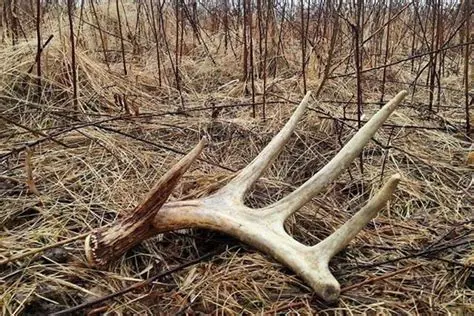
Every winter, something remarkable happens in the deer world: male bucks drop their antlers. To the casual observer, this might seem strange that an animal would give up such an impressive and seemingly useful weapon. Yet, antler shedding is not a sign of weakness; it’s a carefully timed biological process that reflects the rhythms of nature, the demands of survival, and the cycle of life itself. The primary driver behind antler shedding is testosterone. During the rut in autumn, testosterone in bucks peak, fueling aggression, dominance displays, and the growth of thick, hardened antlers. After the rut, testosterone levels drop sharply. This hormonal shift signals the body to begin breaking down the tissue at the base of the antler, known as the pedicle. Eventually, the connection weakens enough that the antler falls away, sometimes with a clean break, other times leaving a small scab-like spot that will heal over the winter. Antlers are costly to maintain. They are made of bone and require significant nutritional resources which include calcium, phosphorous, and calcium. In winter, food is scarce, and bucks need to conserve energy for survival rather than carrying heavy antlers. By shedding them, bucks reduce unnecessary weight and redirect nutrients toward maintaining body condition through the harsh months. While the general shedding period occurs between late winter and early spring, the exact timing can vary. Older bucks often shed earlier because they expand more energy during the rut and recover more slowly. Poor nutrition or injury can cause premature shedding, as the body prioritizes survival over antler retention. Harsh winters and limited food sources can also accelerate the process. Perhaps the most fascinating aspect of antler shedding is that it’s not the end, it’s the beginning of the next cycle. Within weeks of shedding, new antlers begin to grow, covered in a soft, vascular tissue called velvet. By late summer, these antlers will harden again, ready for the next rut. This annual regeneration is one of the fastest examples of bone growth in the animal kingdom. In a way, antler shedding is nature’s reset button, allowing bucks to start fresh each year, adapting their antlers to their age, health, and environmental conditions. Bucks shed their antlers because of a finely tuned interplay between hormones, nutrition, and seasonal survival strategies. It’s a process that reflects the balance of energy, the demands of reproduction, and the resilience of wildlife. For hunters, wildlife enthusiasts, and shed hunters alike, finding a cast antler is more than a lucky discovery—it’s a tangible reminder of nature’s cycles.
Conservation Corner is a weekly article produced by the Forest County Land Conservation and Land Information Department. For more information contact Lucas O’Brien, Forest County Land Conservation Technician at 715-478-1387 or by e-mail at
