
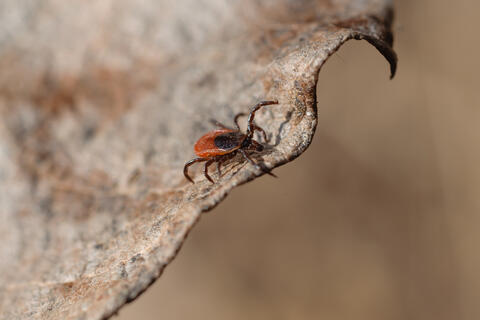
Wisconsin’s forests, wetlands, and recreational trails are a paradise for outdoor enthusiasts, and also for ticks. These small arachnids are more than just a nuisance, they can transmit serious illness such as Lyme disease, anaplasmosis, and babesiosis. Understanding when ticks are active, which species are common, and how to protect yourself is essential for anyone living in the region. The two most common human biting ticks in northern Wisconsin are the Blacklegged tick (also known as deer tick). This species is the primary carrier of Lyme disease, anaplasmosis, and babesiosis. Blacklegged ticks are active for most of the year except for in the coldest months, with peak activity from April through September. The nymph stage of the blacklegged tick which is especially active in late spring and early summer is the most likely to spread Lyme disease. The second most common tick is the American Dog tick. The dog tick is known for transmitting the Rocky Mountains spotted fever and tularemia, though the diseases are less common in Wisconsin. Wisconsin is a hotspot for ticks due to a few reasons. The first is the dense forests and mixed habitats that support deer and small mammals, which ticks use as hosts. Another reason is due to the mild winters in recent years, which allows for ticks to survive longer. Last is due to the high amount of outdoor recreation rates, increasing human exposure. According to the Wisconsin Department of Health Services, Lyme disease rates in northern counties are among the highest in the state. To reduce your risk to tick exposure wear protective clothing like long sleeves, long pants tucked into socks, and light-colored fabrics to spot ticks more easily. This also includes tick gaiters which are specialized leg coverings that create a physical and chemical barrier to prevent ticks from reaching your skin, significantly reducing the risk of tick bites and tick-borne diseases. You can also use EPA registered repellents containing DEET, picaridin, or permethrin (for clothing). If you do get bitten by a tick, you can use fine tipped tweezers to grasp the tick close to the skin, then pull upward steadily without twisting. Once you have pulled the tick off it is recommended to clean with soap and water or antiseptic. Monitor for symptoms up to 30 days and contact a healthcare provider if they develop. Ticks are a fact of life in northern Wisconsin, but with awareness and preventive measures, you can enjoy the outdoors safely. Staying informed about tick activity, practicing personal protection, and acting quickly after a bite are your best defenses against tick borne diseases.
Conservation Corner is a weekly article produced by the Forest County Land Conservation and Land Information Department. For more information contact Lucas O’Brien, Forest County Land Conservation Technician at 715-478-1387 or by e-mail at