by Greg Schmitz | Sep 29, 2026 | News
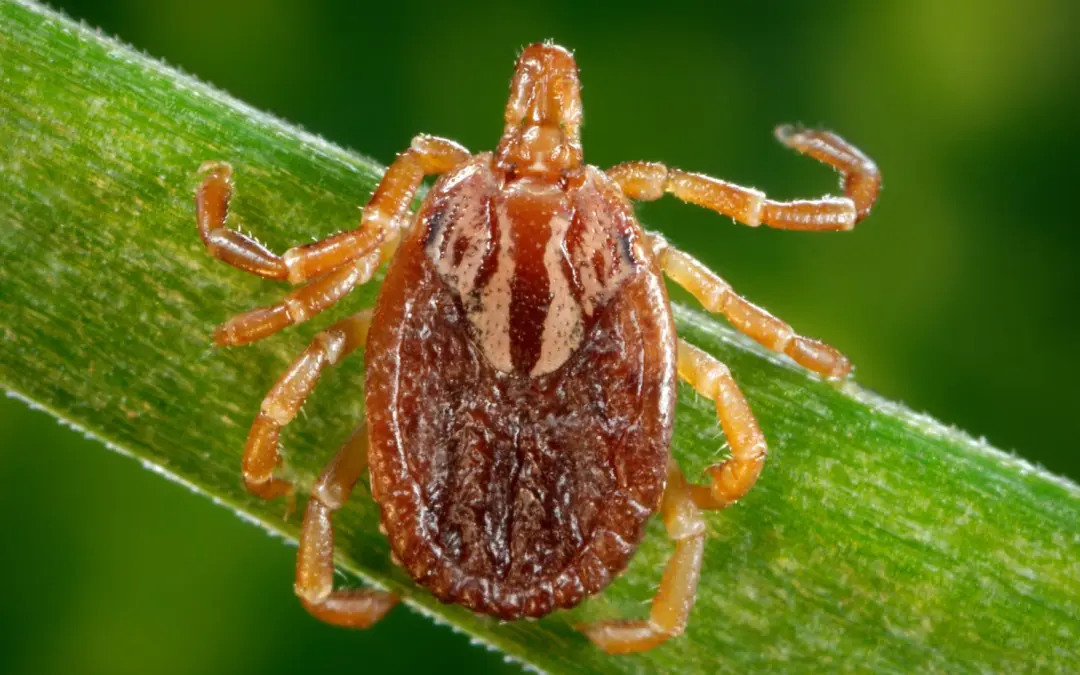
The cooler temperatures and changing leaves of fall draw many Wisconsinites outside. But experts warn autumn also brings a surge in tick activity and the risk of Lyme disease. Deer ticks, also called blacklegged ticks, are active from early spring to late fall. After...
by Greg Schmitz | Sep 26, 2026 | News
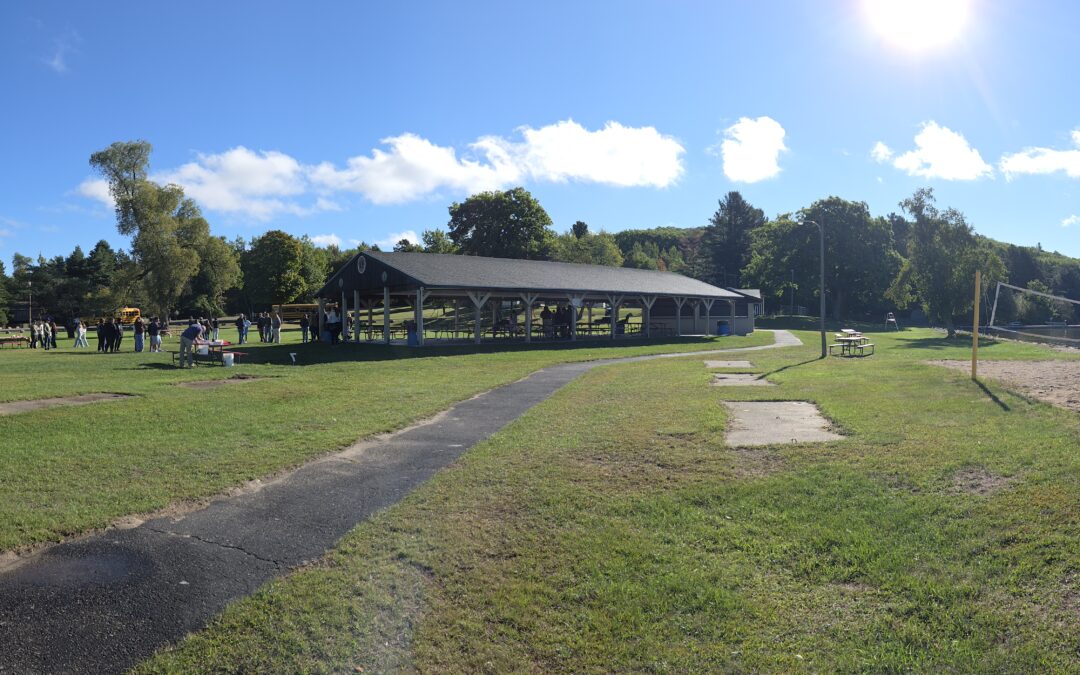
On September 17, 2026 the Forest County Association of Lakes (FCAL) and the Forest County Land and Water Department continued its mission to promote education of inland waterbodies, environs, and fisherees by providing an educational field trip for environmental...
by Greg Schmitz | Sep 25, 2026 | Conservation Corner
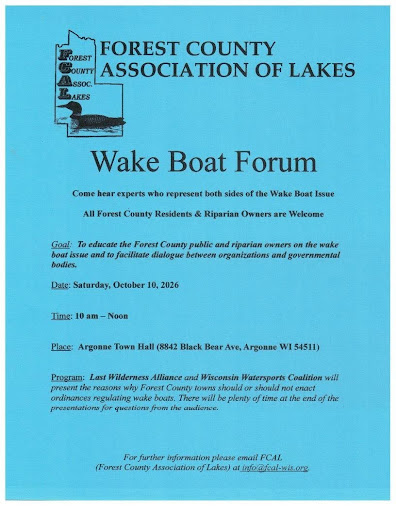
The Forest County Association of Lakes invites the public to join them on Saturday, October 10th, from 10am-noon at the Argonne Town Hall (8842 Black Bear Ave, Argonne WI 54511) for the Forest County Wake Boat Forum. All Forest County residents and riparian owners are...
by Greg Schmitz | Sep 19, 2026 | Conservation Corner
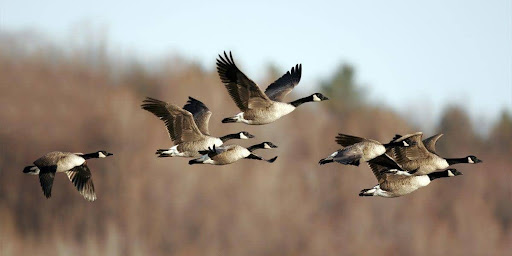
Waterfowl season has arrived in northern Wisconsin. The 2026 regular Canada goose season in Wisconsin’s northern zone has already been open since September 16th, and the Northern duck season begins September 26th. According to the Wisconsin Department of Natural...
by Greg Schmitz | Sep 15, 2026 | News
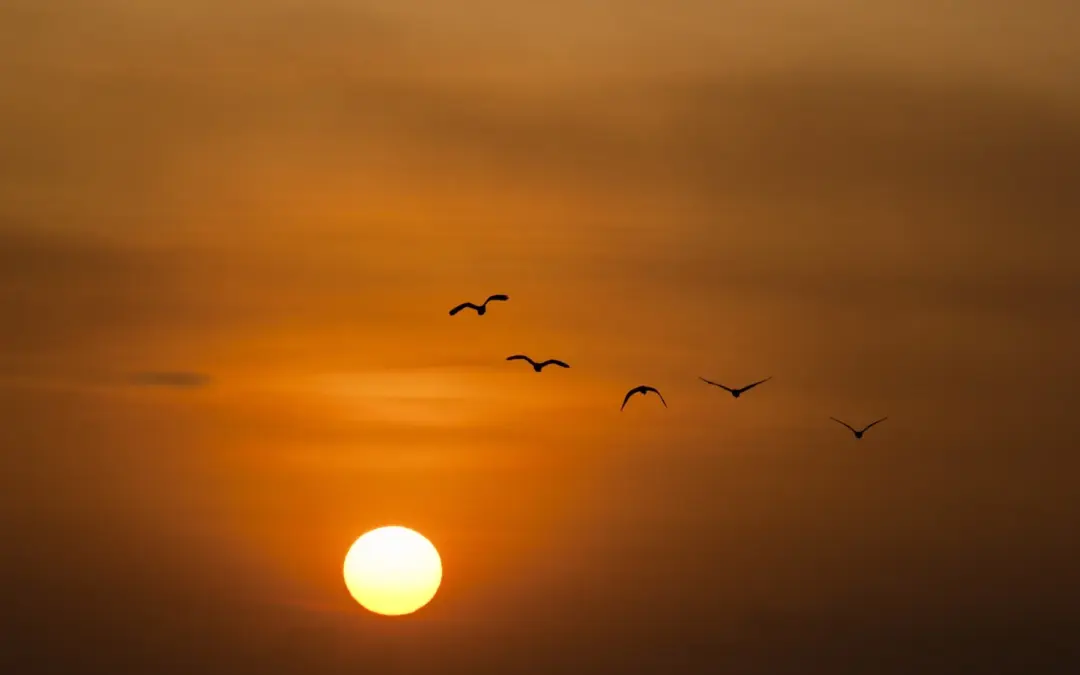
Birds are making their way back north after a long a winter. The timing and route of migration has changed for some species because of earlier springs driven by climate change. Many bird species are now migrating earlier than they did 30 years ago. Dr. Morgan Tingley...
by Greg Schmitz | Sep 15, 2026 | News
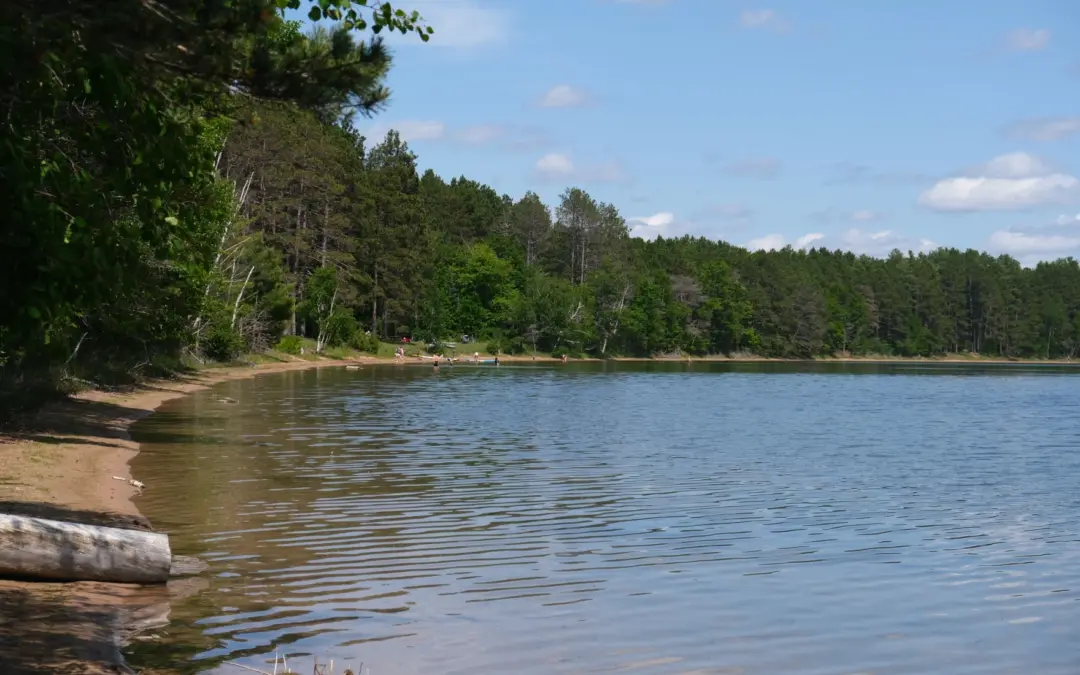
Lakes in the Northwoods are trending warmer. The increase has implications for wildlife health, algal blooms, and human enjoyment of the lakes. For nearly 50 years, there’s been consistent data from Trout Lake in Vilas County. There’s also less consistent data in the...