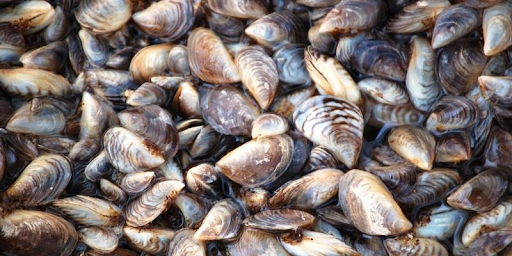
What if the greatest threat to Wisconsin’s forests, lakes, and prairies wasn’t a wildfire or a storm, but something small, silent, and spreading right in front of us? Invasive species are exactly that, stealthy disruptors of our natural heritage. This June, Invasive species action month challenges every resident to become part of the solution. Invasive species are organisms introduced intentionally or accidently outside their native range, where they cause harm to the environment, economy, or human health. In Wisconsin, a few invasive species that have been a problem are purple loosestrife, emerald ash borer, and zebra mussels. These species often spread quickly because they lack natural predators in their new environment. Wisconsin’s invasive species action month began in 2005 as a way to coordinate education, create volunteer opportunities, and prevention efforts statewide. By focusing the attention to June, when many invasive plants are actively growing, citizens can learn to identify them and take timely action. During this month, the Wisconsin Department of Natural Resources (DNR), lake associations, and non-profit groups host dozens of events ranging from shoreline cleanups to educational hikes. These activities not only remove harmful species but also empower residents with the knowledge to recognize and report them year-round. The impacts of invasive species are not just ecological, they are economic and cultural as well. Infestations can reduce property values, increase maintenance costs for municipalities and industries, harm tourism, and disrupt traditional hunting, fishing, and foraging practices. Once an invasive species becomes established, eradication is often impossible. Prevention and early detection are far more cost effective than long term control. There a few different ways you can get involved to help stop the spread of invasive species. One way is learning to identify different invasive species. Attending workshops, webinars, or even looking up online resources can help you identify plants. Another way to get involved is volunteering. Whether it is joining removal events to pull invasive species, monitoring lakes for aquatic invaders, or helping restore native habitats. The last way you can be involved is by preventing the spread. Make sure that your hiking clothes or your fishing boat is clean before entering a different stretch of woods or a new lake to prevent spreading invasive species. To find invasive species events and volunteering opportunities, look up “Invasive species events and volunteering” on the DNR website to learn more and get involved!
Conservation Corner is a weekly article produced by the Forest County Land Conservation and Land Information Department. For more information contact Lucas O’Brien, Forest County Land Conservation Technician at 715-478-1387 or by e-mail at
