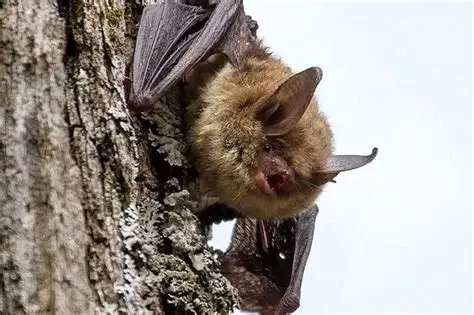
International bat week is observed in Wisconsin as part of the national observance which runs October 24th – 31st each year. The Wisconsin Department of Natural Resources uses this time to raise awareness about the importance of bats, the threats they face, and how residents can help. Wisconsin is home to eight different bat species, but half of them are state threatened. The threatened bats include the big brown bat, little brown bat, northern long eared bat (federally endangered), and the tricolored bat. Bats are also the only flying mammals and play vital ecological roles. For example, they are good at pest control. Insectivorous bats consume large numbers of agricultural pests, saving farms and forest owners billions annually. They also play a role in ecosystem health by helping maintain a balanced ecosystem and support biodiversity. The primary threat to bats in Wisconsin is white-nose syndrome, a fungal disease that attacks bats during winter hibernation, draining their energy reserves and leaving them vulnerable to starvation. Since its arrival in Wisconsin in 2014, populations have declined sharply, though recent surveys show little brown bat numbers rebounding at some historic mine roosts. Other species, such as the northern long-eared and tricolored bats, have not shown similar recovery. There are some different ways that Wisconsinites can help. Different actions include building bat houses, planting native plants, avoid using insecticides and herbicides, or volunteering with the Wisconsin bat program. During bat week there will many different events going on and you can find these events by looking up “BatWeek.org.” Protecting bats benefits farmers, forest owners, and public health. It also leads to fewer mosquitoes in summer, healthier ecosystems, and preserved biodiversity. As DNR biologist Jennifer Redell notes, “keeping those hibernating bats safe in winter should be of interest to everyone who wants to swat at fewer mosquitoes each summer.”
Conservation Corner is a weekly article produced by the Forest County Land Conservation and Land Information Department. For more information contact Lucas O’Brien, Forest County Land Conservation Technician at 715-478-1387 or by e-mail at
