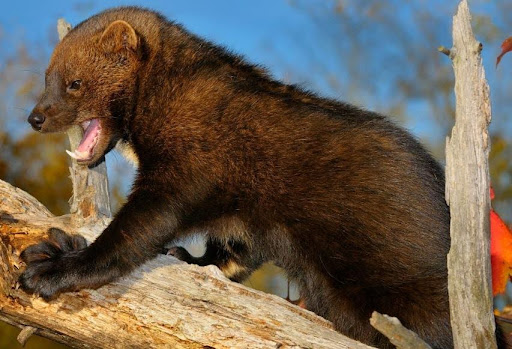
Northern Wisconsin offers a landscape abundant in forests, rivers, and wetlands—ideal habitats for a variety of fur-bearing species, including beavers, minks, muskrat, foxes, and fishers. The state’s trapping history is tied closely to both subsistence and commerce. Fur from early hunts provided essential resources and formed the backbone of trade networks, shaping the economic development of Wisconsin’s frontier regions. Over generations, trapping became an integral part of family and community life, providing hands on understanding of wildlife and ecosystem dynamics. Today, trapping in northern Wisconsin is highly regulated to ensure sustainability. The Wisconsin DNR oversees licensing, trap tagging, and permissible trap types, emphasizing responsible wildlife management. Trappers must adhere to specific season dates and quotas; for example, fisher permits and bobcat permits require applications by August 1st, while otters are now managed as bag limit/quota species requiring a license but no longer subject to seasonal drawings. The state supports a diverse set of programs for trappers of all ages. Wisconsin’s trapper education program is internationally recognized, equipping beginners and experienced trappers alike with knowledge on ethical trapping practices, species identification, and safety protocols. Hands on experience is often gained through mentorship and organized trap lines, where knowledge on setting and monitoring traps, tracking animal behavior, and humane handling is transmitted across generations. Trapping up north differs from southern regions of the state due to dense timberlands, wild rivers, and less developed farmland. The variety of fur bearing species, coupled with rugged terrain, create unique challenges and opportunities for trappers. Seasonal variations, from frigid winter conditions to thawing spring waterways, influence both animal movement and trap management strategies. Many trappers in northern Wisconsin use this rich environment to harvest beavers for fur and to maintain ecological balance in local watersheds, preventing overpopulation that can damage waterways and vegetation. Trapping in Wisconsin represents a convergence of history, skill, ecology, and community. It is a regulated, educational, and culturally rich activity that continues to play an important role in stewardship of the region’s diverse wildlife. Whether for ecological management, tradition, or recreation, trappers in Wisconsin uphold practices that balance personal engagement with responsible conservation. Good luck to all trappers as the season begins on October 17th for certain furbearers.
Conservation Corner is a weekly article produced by the Forest County Land Conservation and Land Information Department. For more information contact Lucas O’Brien, Forest County Land Conservation Technician at 715-478-1387 or by e-mail at