
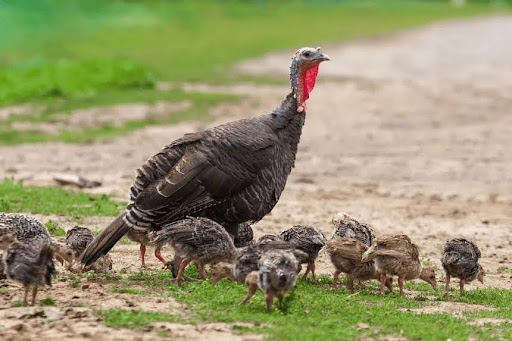
The Wisconsin Department of Natural Resources is once again inviting residents to step into the role of community scientists by participating in its annual game bird survey, which runs from July 1st through August 31st. This long running citizen science initiative is more than just a summer pastime, it’s a critical tool for tracking the health and reproductive success of some of Wisconsin’s most iconic upland bird species. For decades, the DNR has relied on a combination of professional wildlife biologists, agency partners, and everyday citizens to gather data on game bird populations. The Survey focuses on three species that hold ecological, cultural, and recreational importance to the state. These three species include wild turkeys, ruffed grouse, and the ring-necked pheasant. By recording sightings of adults and their young, participants help the DNR calculate the adult to juvenile ratios. These ratios are a key indicator of reproductive success and survival rates. Game birds are sensitive to changes in habitat, weather, and predator populations. A cold, wet spring can reduce chick survival, while loss of grasslands or young forests habitat can limit nesting opportunities. The DNR uses the survey data to adjust hunting season lengths and bag limits to ensure sustainable harvest, identify areas where habitat restoration or management is most needed, and to monitor long term population trends to detect declines before they become critical. Participation is simple and open to anyone, whether you’re a seasoned hunter, a casual hiker, or someone who enjoys morning coffee on the porch while watching wildlife. Here’s how it works, the first step is just observing for turkeys, grouse, or pheasants. The next step is to record what you saw and the number of adults and juveniles, the date, time, location of the sighting, and any notable behaviors. The last step is to submit your observation to the DNR’s online game bird survey form, available on their website. The game bird survey is part of a broader movement toward community-based science, where members of the public contribute to research projects. This approach not only expands the reach of data collection but also fosters a deeper connection between the people and the natural world. The game bird survey offers a way for everyone to contribute, regardless of skill level or location. Whether you live in the rolling farmland of the driftless area, the pine forests of the north, or the suburbs of Milwaukee, your observations can help paint a clearer picture of the state’s avian health.
Conservation Corner is a weekly article produced by the Forest County Land Conservation and Land Information Department. For more information contact Lucas O’Brien, Forest County Land Conservation Technician at 715-478-1387 or by e-mail at