
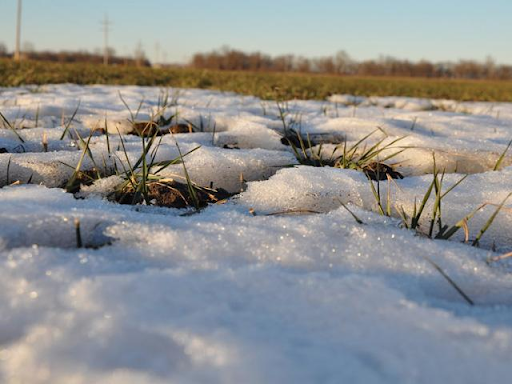
When winter arrives, the world above ground slows down. Trees stand bare, fields lie dormant, and snow blankets the landscape. But beneath that frozen surface, the soil is far from lifeless. In fact, winter sets in motion a series of physical, chemical, and biological changes that shape the health of the land for the coming spring. This article explores the hidden life of winter soil, how it freezes, thaws, and quietly prepares for the next growing season. On the physical side of things, as temperatures drop below freezing, the top soil layer often called the frost layer begins to solidify. The depth of this frozen layer depends on factors like soil type, moisture content, and snow cover. One physical change is ice formation. Water in soil pores freeze, expanding and pushing soil particles apart. This can create small cracks and channels that improve aeration when thawed. Another physical change is frost heaves. In certain soils, especially those rich in silt, ice lenses form and push the ground upward. This can disturb plant roots and even damage infrastructure. Now when looking at the biological side, obviously plant growth comes to a halt in the winter months, but soil life continues just at a slower pace. One biological change is microbial activity. Many bacteria and fungi enter a dormant state, but some cold-tolerant species remain active, breaking down organic matter and releasing nutrients. Another change biologically is with the root systems of plants. Perennial plants keep their roots alive underground, drawing on stored energy and sometimes even absorbing small amounts of water and nutrients. One last biological change is soil fauna. Earthworms and insects burrow deeper to avoid freezing, while some species produce natural antifreeze compounds to survive near the surface. Looking at the chemical side, soil in the winter months experiences nutrient lock-up. With reduced microbial activity, nutrients like nitrogen and phosphorous are less available to plants. There are also chances of leaching risks. In regions with winter rain or mid-season thaws, nutrients can be washed deeper into the soil or into waterways. The last chemical change that happens is organic matter preservation. Cold temperatures slow decomposition, allowing plant litter and organic residues to accumulate for spring breakdown. Winter soil is a paradox, it appears frozen and still, yet it is quietly undergoing transformations that are essential for the health of ecosystems and agriculture. The season’s cold preserves organic matter, reshapes soil structure, and sets the stage for the burst of life in spring. So next time you see a snow-covered field, remember that beneath that icy surface, the soil is working slowly, silently, and with a purpose.
Conservation Corner is a weekly article produced by the Forest County Land Conservation and Land Information Department. For more information contact Lucas O’Brien, Forest County Land Conservation Technician at 715-478-1387 or by e-mail at
